Most orders clear fine. Under $200 via MailAmericas to Peru and Colombia rarely gets flagged. DHL is faster but more consistent with declared values.
Based on 200+ community-reported customs outcomes · 4.0 / 5 (customs clearance reliability, April 2026)
Customs Risk Calculator
Customs fees are one of the biggest unknowns when ordering from DHgate. This guide covers everything you need to know: which countries have the highest duty-free thresholds, how products are declared, and the most common customs mistakes that result in unexpected fees.
Every country sets a de minimis threshold — the maximum value you can import without paying duty. Understanding your country's threshold is the single most important customs fact for any DHgate buyer. United States has the most generous threshold globally at $800 USD. Any individual DHgate order under $800 arrives duty-free, making the US one of the easiest countries for DHgate imports. Mexico allows $300 USD via formal couriers (DHL, FedEx) but only $50 for postal services. This is why using DHL is particularly important for Mexican buyers — the threshold triples compared to cheap postal options. Peru and Colombia allow $200 USD duty-free. Most individual DHgate orders (one pair of sneakers, one watch, one bag) stay within this limit. Argentina has the most restrictive threshold in Latin America at just $50 USD, meaning almost every DHgate order above a budget item will incur customs fees. Plan accordingly. EU countries (Spain) allow €150 duty-free for VAT purposes, but customs duty is assessed above this. For orders up to €150, VAT (21% in Spain) still applies even if no customs duty is assessed.
How DHgate Products Are Declared
DHgate sellers declare the value of your shipment. For verified sellers on our spreadsheet, this is handled responsibly within legal parameters. Standard declaration practice is to use the actual value paid for the product, not inflated retail prices. For a $65 sneaker order, the declaration would reflect the purchase price. Sellers typically declare through DHL's standard commercial invoice process. For MailAmericas and postal options, the declaration process varies by courier. DHL's formal clearance process is generally faster and more predictable than postal customs, which is another reason DHL is recommended for orders of any significant value.
Most Common Customs Mistakes
The most frequent mistake is choosing the free China Post shipping option for high-value orders. While it saves on shipping cost, China Post parcels undergo more scrutiny in many countries and have less predictable customs outcomes. The second mistake is ordering multiple items in one shipment when each item would independently be under the duty-free threshold. A $180 sneaker order and a $150 belt order in one box creates a $330 shipment, which triggers customs in most countries. Ordering them separately — within a 3-4 week window — keeps each shipment within the duty-free limit. Third: providing an incorrect or incomplete delivery address. DHL customs holds can result from address mismatches. Always provide your full name, complete address including postal code, and a local phone number the customs agent can reach.
Customs Tips for High-Value Orders
For orders over $150 USD heading to most Latin American countries, there are several strategies experienced buyers use. First: choose DHL Express over postal options — the formal clearance process is faster and the threshold is higher for courier shipments versus postal in countries like Mexico. Second: keep the declared value within the duty-free limit where legally possible — verified sellers understand this and handle it appropriately. Third: for multiple items, consider separate shipments over multiple weeks rather than combining everything. The shipping cost increase is usually smaller than the customs duty you would pay on a combined high-value shipment. Finally: if you are ordering in Argentina specifically, budget for the customs fees rather than trying to minimize them — the low $50 threshold means almost any order will incur fees, and accepting this upfront makes the planning easier.
Customs & Duties: Buyer Questions
See our Peru shipping guide for country-specific customs thresholds and duty-free limits.
For a full cost breakdown, use our shipping calculator to estimate duties before you order.
Buyers ordering bags and watches should also read the DHgate payment guide to avoid payment issues after customs clearance.
Verified sellers declare the actual purchase value, not inflated retail prices. For most DHgate orders, the declared value reflects what you actually paid, not the retail equivalent of the branded item.
If a shipment is seized by customs, DHgate buyer protection may apply for refunds in some circumstances. However, seizure policies vary by country and product type. The safest approach is to order through verified sellers who handle declarations correctly, reducing seizure risk significantly.
DHL will contact you with any customs fee due before releasing the package. You typically pay online through DHL's portal using a credit card. The fee must be paid before delivery. FedEx has a similar process. China Post customs fees must be paid at the post office upon collection.
Declaring Multiple Items and Split Shipments
One of the most practical customs strategies for buyers in Latin America is managing how items are grouped into shipments. When the total declared value of a single package approaches or exceeds your country's duty-free threshold, customs fees become inevitable. Experienced DHgate buyers structure their orders around this reality.
For example, a buyer in Peru with a $200 duty-free threshold who wants both a pair of Jordan 4s ($65) and a Louis Vuitton Neverfull ($90) in the same order would create a $155 combined package — safely within the limit. However, if they add a Rolex Submariner ($115), the combined value hits $270, triggering customs on the $70 excess. The practical solution is to ship the watch separately in a second order, keeping each shipment under $200.
This split-shipment approach is legal and widely used. The key is leaving at least 3–4 weeks between related shipments to avoid customs flagging the same recipient for multiple packages in a short window. Our verified sellers are familiar with this process and can coordinate timing when you explain your situation via WhatsApp.
What Happens When Customs Holds Your Package
A customs hold is not the same as a seizure. In most Latin American countries, a hold means customs wants to inspect the declared value or verify documentation before releasing the package. This is common and typically resolved within 3–7 business days. DHL proactively contacts you when a hold occurs and guides you through the documentation process online.
The documentation customs most commonly requests includes: the original commercial invoice showing the declared value, a description of the item's intended use, and sometimes proof of payment. For our orders, DHL handles the commercial invoice automatically. If additional documentation is needed, we assist buyers through the process via WhatsApp.
A seizure — where customs permanently confiscates the package — is rare for standard clothing, footwear, and accessories. It is more common for restricted items like certain electronics or items explicitly prohibited in your country. None of the product categories on our spreadsheet are in restricted classifications for Peru, Mexico, Colombia, Argentina, or Chile.
Country-Specific Customs Tips
Peru: The $200 duty-free limit applies per shipment. SUNAT (Peru's customs authority) processes most DHL shipments at Jorge Chávez International Airport within 1–2 business days. For packages flagged for inspection, processing extends to 4–6 days. Duty rates above the threshold are 12% plus 18% IGV (VAT). Peru does not have specific restrictions on footwear or clothing imports for personal use.
Mexico: The $300 duty-free threshold for formal couriers (DHL, FedEx) is Mexico's most buyer-friendly customs policy in the region. The SAT (Mexico's tax authority) processes packages at NAICM (the new international airport) and the main DHL facility in Mexico City. For buyers in Guadalajara and Monterrey, local DHL sorting centers handle customs directly. Above the $300 limit, Mexico applies 16% IVA plus variable duty depending on the product category (footwear: ~20%, clothing: ~35%).
Colombia: DIAN (Colombia's customs authority) processes international packages at El Dorado Airport in Bogotá. The $200 duty-free limit applies, and above this threshold, Colombia assesses 10% aranceles plus 19% IVA. Colombian customs has become more efficient since 2022 with the expansion of DHL's Bogotá facility — most packages clear within 2 business days without inspection.
Argentina: Argentina has the strictest customs environment in Latin America. The $50 duty-free limit is enforced rigorously, and packages above this threshold are assessed at 50% duty plus 21% IVA. Argentine customs (AFIP) also limits the number of packages an individual can receive annually — exceeding this limit requires formal import registration. For Argentine buyers, we strongly recommend keeping individual orders under $50 or accepting that customs fees will significantly add to the total cost.
Order from verified DHgate sellers
QC photos · DHL shipping · 40+ countries · Reply within 24h
Tap a photo to see more angles · message us to order any
Product
Price
Photo
Seller notes
Best SellerYEEZY SIide
from $20+
Last mould matches factory spec
PopularPolo Ralph Lauren Court Vintage Sneakers [2 styles]
from $88+
Tongue tag font and cut verified
PopularFendi Hoodie [5 styles]
from $27+
Print alignment and colour saturation QC'd
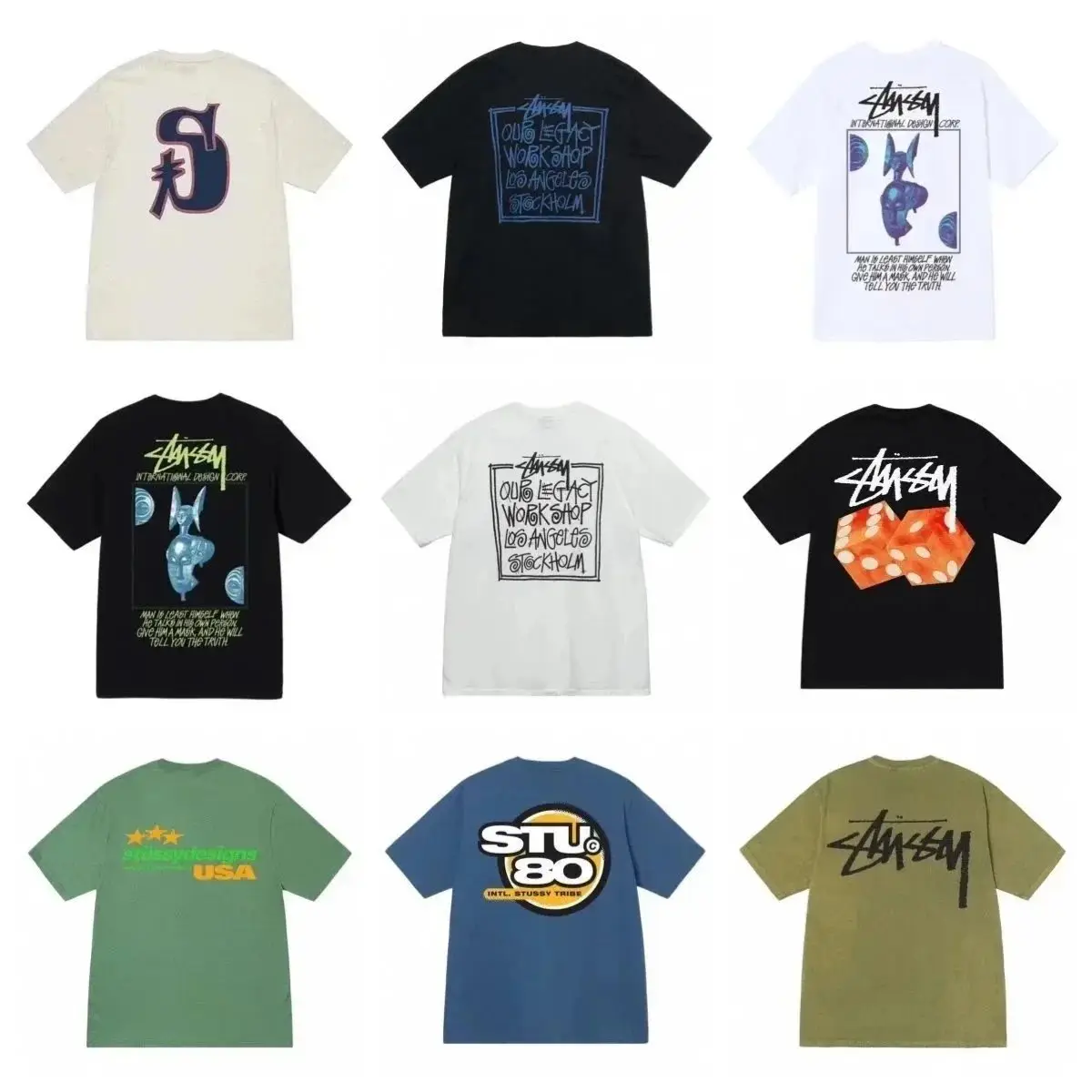
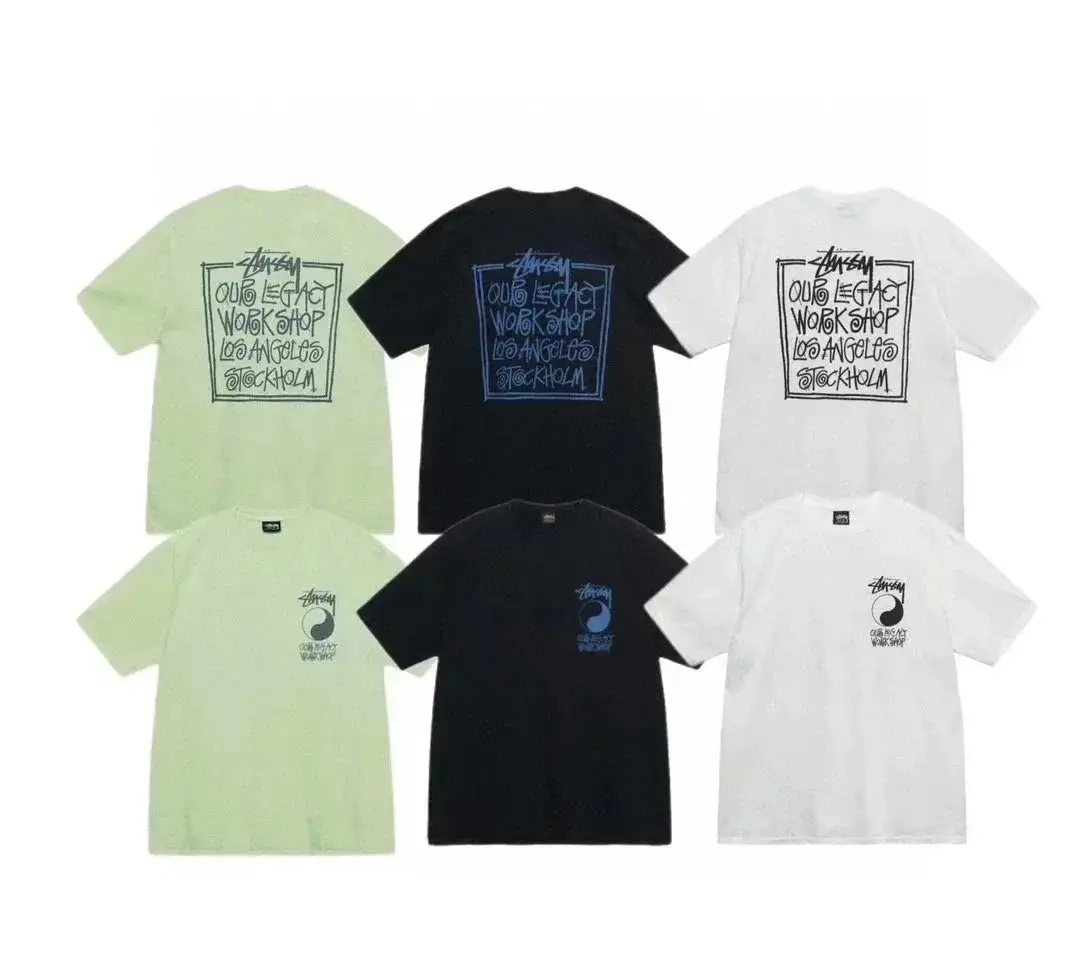
PopularStussy tee (40 CP)
from $19+
Collar rib stretch and shape verified
Golden Goose Deluxe Brand Chunky Sneakers [35 styles]
from $58+
Last mould matches factory spec
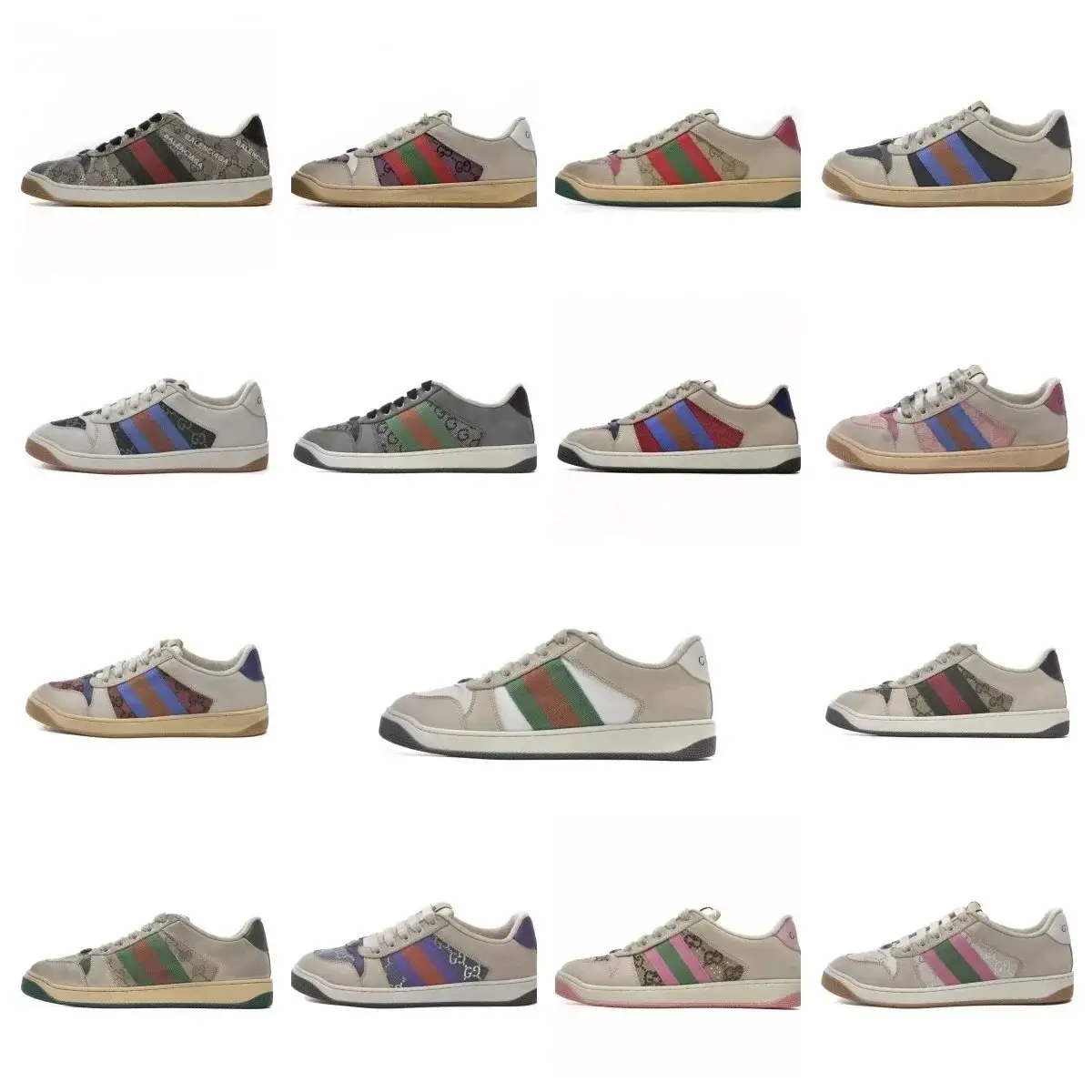
Gucci Sneakers
from $64+
Tongue tag font and cut verified
Design Swimwear [6 styles]
from $20+
Batch spec re-verified pre-pack
Nike Air Max TN Sneakers [37 styles]
from $57+
Tracked DHL/UPS/FedEx shipping
YEEZY SIide
Polo Ralph Lauren Court Vintage Sneakers [2 styles]
Fendi Hoodie [5 styles]
Stussy tee (40 CP)
Golden Goose Deluxe Brand Chunky Sneakers [35 styles]
Gucci Sneakers
Design Swimwear [6 styles]
Nike Air Max TN Sneakers [37 styles]
Common Questions
Will my DHgate package get stopped at customs?+
Most packages clear without issue. Orders under the duty-free threshold are rarely flagged. The US allows $800, UK allows 135 GBP, EU allows 150 EUR, and Peru allows $200. Standard postal routes face less scrutiny than express couriers.
How are DHgate packages labeled for customs?+
Verified sellers typically declare as shoes, clothing, or accessories with conservative declared values. Packaging is neutral with no brand logos on the outside. This is standard practice for personal imports.
What happens if my package is held at customs?+
You receive a notice to pay duties or provide documentation. Most packages release within 3 to 7 business days after duties are paid. Contact the seller immediately if this happens.
Should I use DHL or postal to avoid customs issues?+
Postal routes have lower inspection rates for small packages. DHL is faster but more consistent about accurate declared values. Use the customs calculator above to estimate your specific situation.

![Polo Ralph Lauren Court Vintage Sneakers [2 styles] 1](/media/products/PROD_7623895863_1.webp)
![Polo Ralph Lauren Court Vintage Sneakers [2 styles] 2](/media/products/PROD_7623895863_2.webp)
![Fendi Hoodie [5 styles] 1](/media/products/PROD_7778790365_1.webp)
![Fendi Hoodie [5 styles] 2](/media/products/PROD_7778790365_2.webp)
![Golden Goose Deluxe Brand Chunky Sneakers [35 styles] 1](/media/products/PROD_7777810371_1.gif)
![Design Swimwear [6 styles] 1](/media/products/PROD_7781707450_1.webp)
![Design Swimwear [6 styles] 2](/media/products/PROD_7781707450_2.webp)
![Nike Air Max TN Sneakers [37 styles] 1](/media/products/PROD_7623835443_1.webp)